
Dr. Linda Spurlock is a Professor of Anthropology at 黑料网, and teaches courses in biological anthropology, forensic anthropology, primatology, and archeology. Dr. Spurlock will be teaching FACES: Human Head Anatomy with a Forensic Art Focus during the June session of the Florence Summer Institute.
FACES: Human Head Anatomy with a Forensic Art Focus
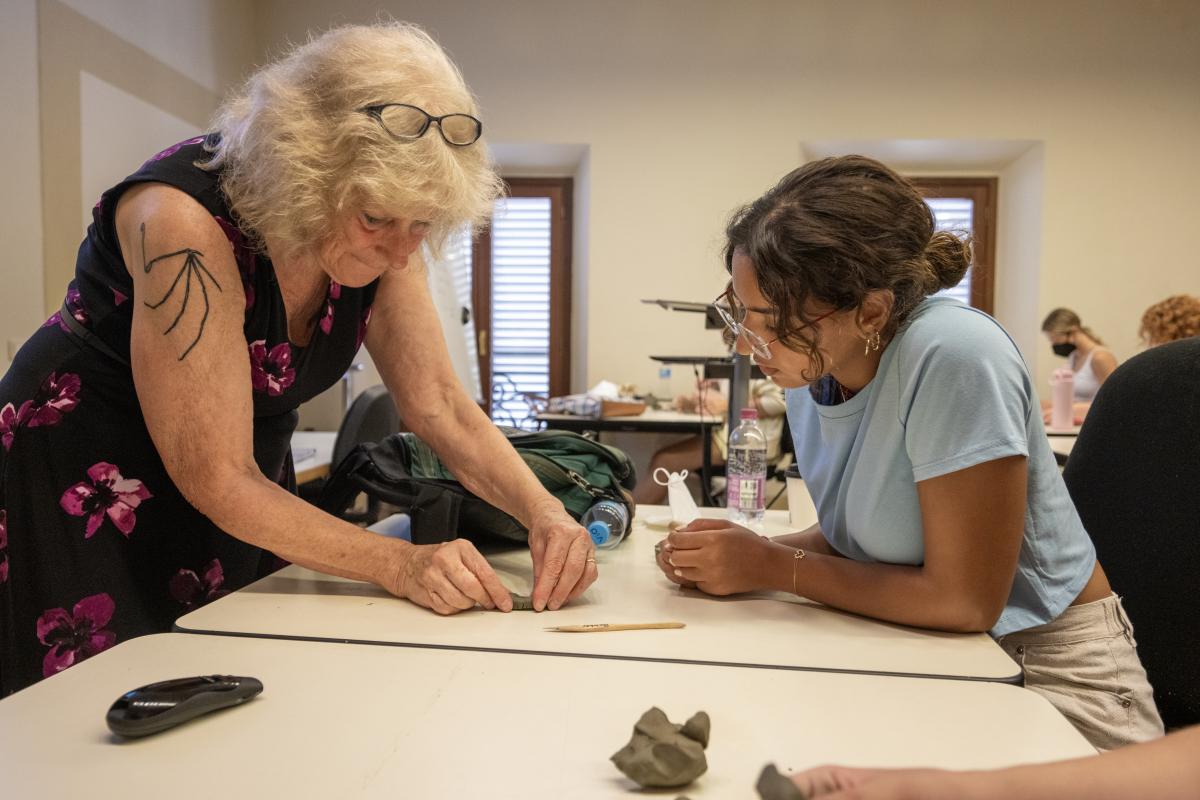
Dr. Spurlock came up with FACES: Head Anatomy with a Forensic Art Focus by drawing inspiration from her own experience as a forensic artist, anthropologist and anatomist, as well as from the great artists Leonardo da Vinci and Michelangelo Buonarotti. In the course, students study works of Leonardo and Michelangelo and other Renaissance artist/anatomists while Dr. Spurlock teaches them about the anatomy of the head and neck. Students study skulls in class and learn about the flesh of the face and the muscles that work underneath it.
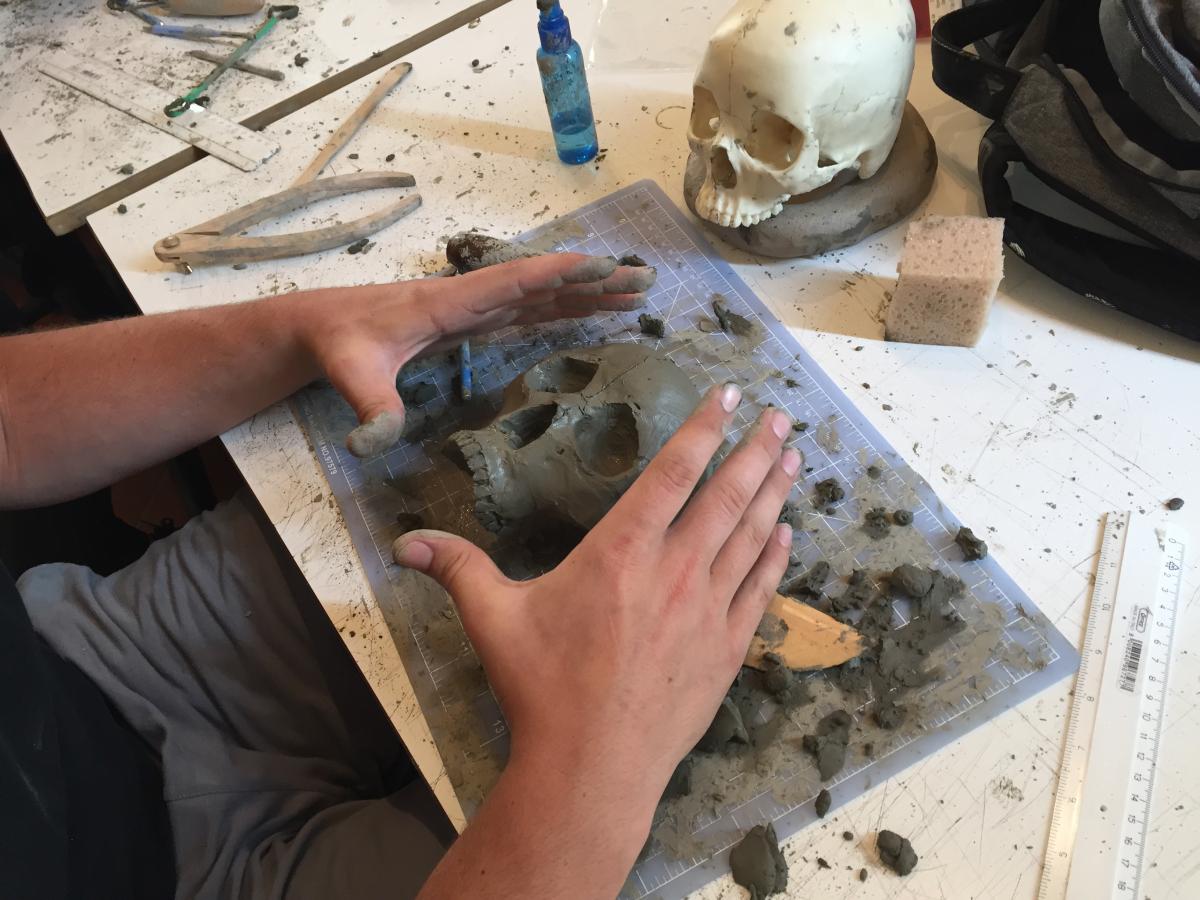
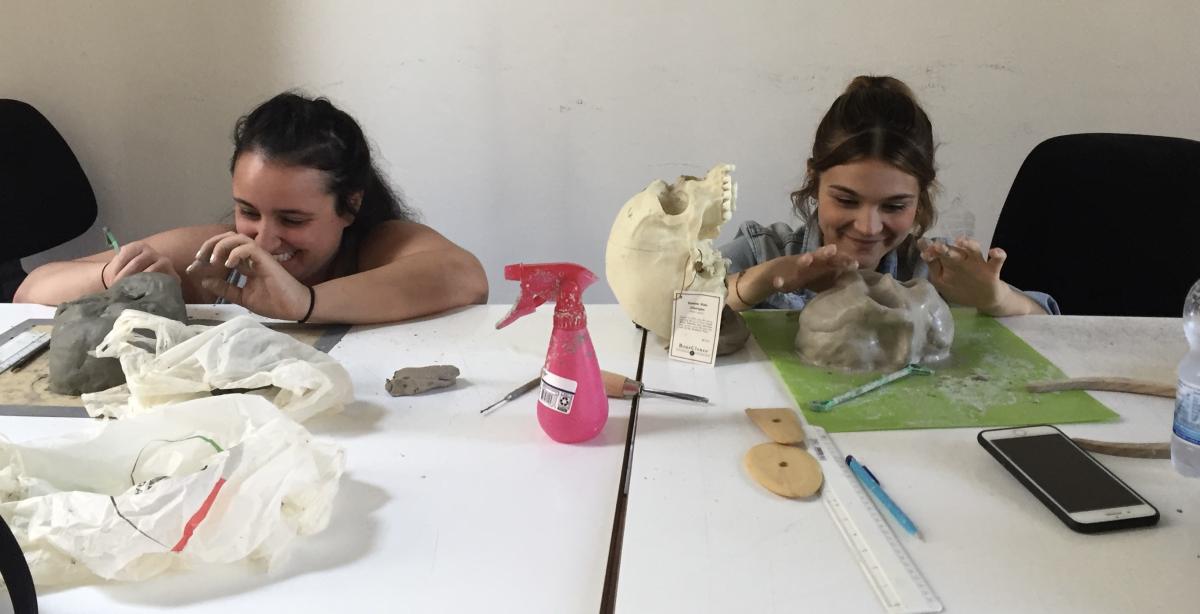
Dr. Spurlock does not expect students to come away from the class as forensic artists, but instead full of curiosity. She teaches her students to see like artists and has them sketch each other. She has perfect replica skulls (casts) that she uses to guide students in sculpting a copy of the skeleton face. These are then taken to a pottery studio and fired. Also using the skull casts, Dr Spurlock has students sculpt the muscles used for chewing and facial expressions.
During the last week of class, students sketch human faces based on life-size photographs of skulls. These have markers showing how deep the tissue was and that guide how to sketch the proportions. Students use tracing paper over them and draw the eyes, nose, mouth, and edges of the face. They do a profile of a man and a woman, and then Dr. Spurlock shows images of what they looked like when they were alive.
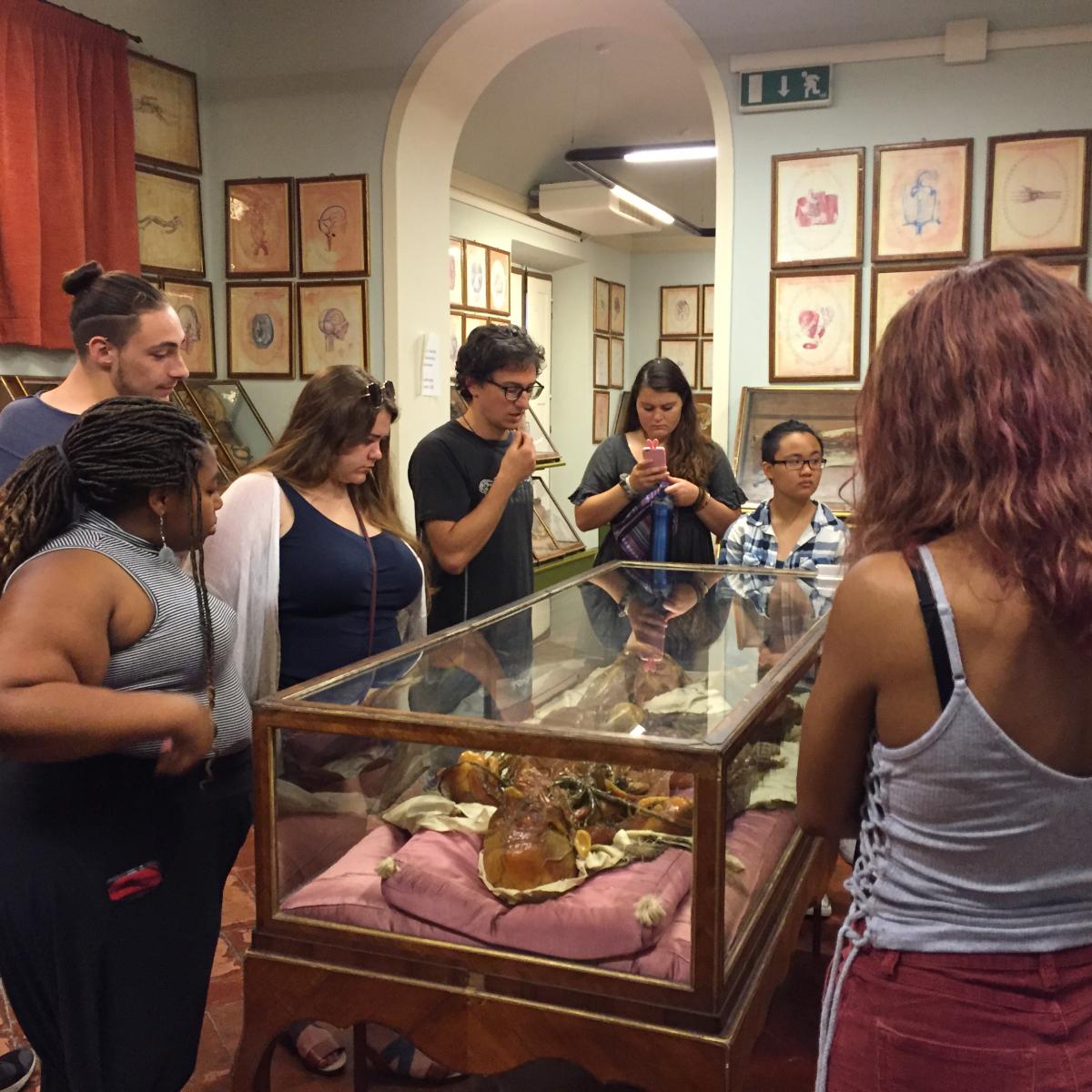
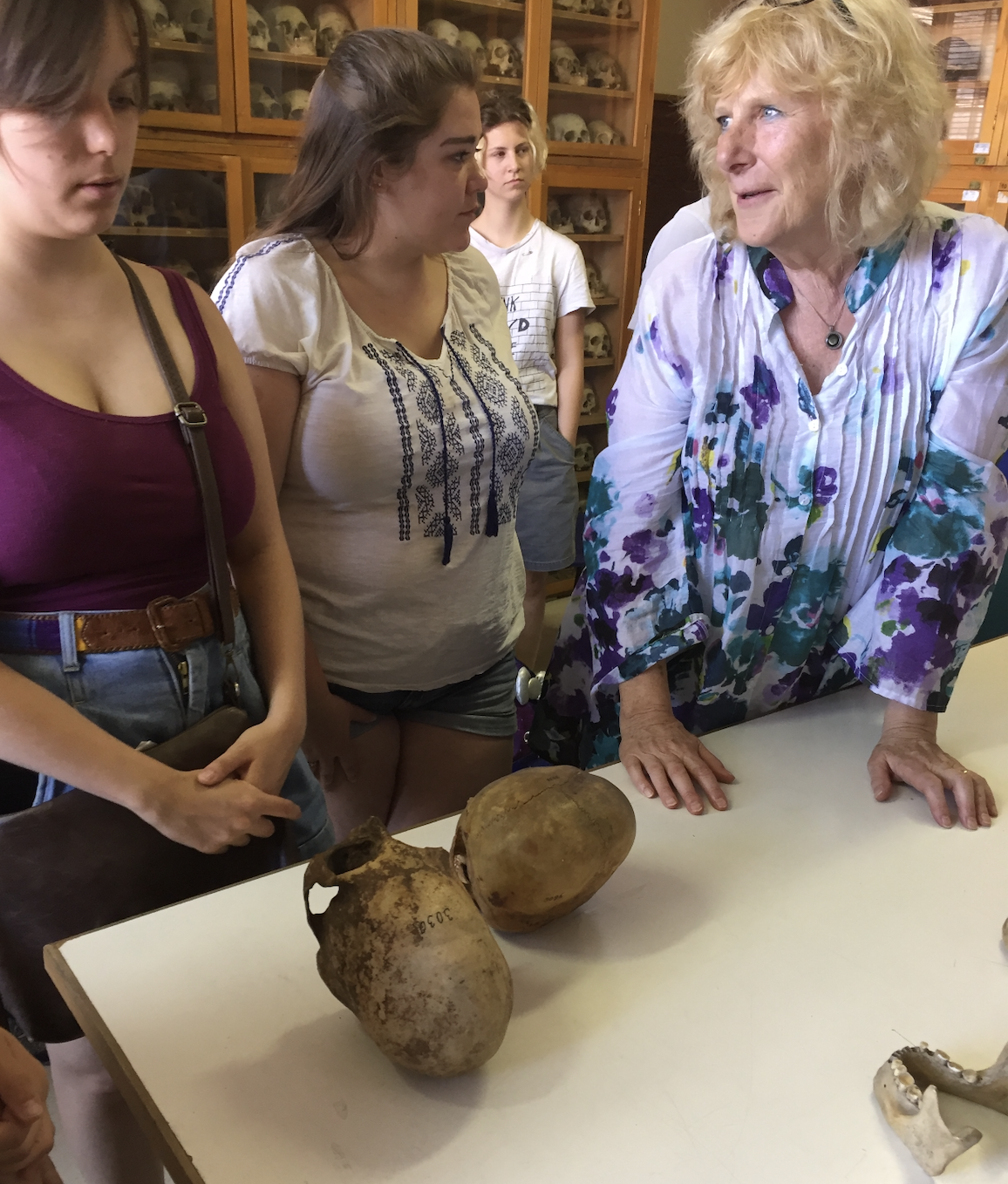
Throughout the course, Dr. Spurlock takes her students on field trips. One place they visit is the University of Florence, where a professor gives a behind the scenes look at the bones. This includes perfect copies of Medici skulls, deformed Peruvian skulls, and trophy skulls from Tierra del Fuego. They also go to museums and look at the da Vinci and Michelangelo sculptures like The David. Dr. Spurlock also makes sure to take her students to museums such as the Galleria of the Accademia, La Specola, Bargello, and Opera del Duomo Museum. At La Specola you can see 17th century wax models of dissected cadavers, as well as dioramas of the Black Plague. Because the plague hit Florence hard Dr. Spurlock tries to emphasize some of its history.
Learn more about Dr. Spurlock's course and other course offerings at the Florence Summer Institute.
Dr. Spurlock鈥檚 Favorite Thing About Teaching in Florence
Dr. Spurlock's favorite thing about teaching in Florence is seeing students' reaction the first time they see something like Michelangelo's David. She also enjoys hearing about her students鈥� adventures from the day before class, where they went and what they saw.
Dr. Spurlock鈥檚 Goal with FACES: Human Head Anatomy with a Forensic Art Focus
By studying facial anatomy, Dr. Spurlock hopes students will learn to see how unique each human face is 鈥� especially the proportions, and the little asymmetries. While she does not expect students to leave the class as forensic artists, Dr. Spurlock hopes students leave her class with a better understanding that there are different ways to have a good life than their own experiences. She hopes they get immersed in the Italian culture of Florence and appreciate how different life is in Italy.
Dr. Spurlock鈥檚 Recommendations to Students Studying in Florence
Dr. Spurlock recommends students studying abroad in Florence take a bus to visit Fiesole, a hill town about twenty minutes from Florence. She also recommends students check out the parks down by the river, as well as explore the south side of the river where there are lively neighborhoods. She said that students should take time to listen to the street musicians at night and try to catch the sunrise from one of the many bridges in Florence. Students should also go to the market and try something they wouldn鈥檛 normally try at home, like fresh walnuts. Most restaurants in Florence have good food, and you do not need to visit the most expensive or popular ones for a good meal.
Advice to Future Study Abroad Students
Dr. Spurlock advises future study abroad students to plan ahead. She recommends the Florence Summer Institute program to all students. She also advises to pack light, buy what you need at the destination, and if possible leave things for someone else when you鈥檙e done.
Interested in studying abroad at Kent State鈥檚 Florence Summer Institute? Learn more about the program here.