
For years, Lauren Kinsman-Costello, Ph.D., has studied wetlands and the complex ways they filter water, store carbon and support ecosystems across Ohio. Along the way, she found herself asking a different kind of question: how do you tell the story of science in a way that helps people feel connected to it?
This summer, she will have a dedicated week to explore that question alongside several other researchers, including , a two-time Kent State alumna whose work focuses on environmental decision-making and community narratives in rural Rust Belt communities.

Kinsman-Costello, associate professor in the Department of Biological Sciences and research lead of the , and Devadoss, an associate professor of global studies and human geography at Middle Tennessee State University, were both selected as fellows in the , run by the .
Connecting Research With Public Audiences
The highly selective program brings together a small cohort of environmental researchers from across the country to develop original science communication projects 鈥� not traditional academic papers or grant reports, but public-facing stories designed to connect broader audiences with environmental research and lived experiences.
"This idea of environmental storytelling is not how I would have described what I've been trying to do," Kinsman-Costello said. "But when I read the announcement, it really resonated. This is what I've been trying to get to."
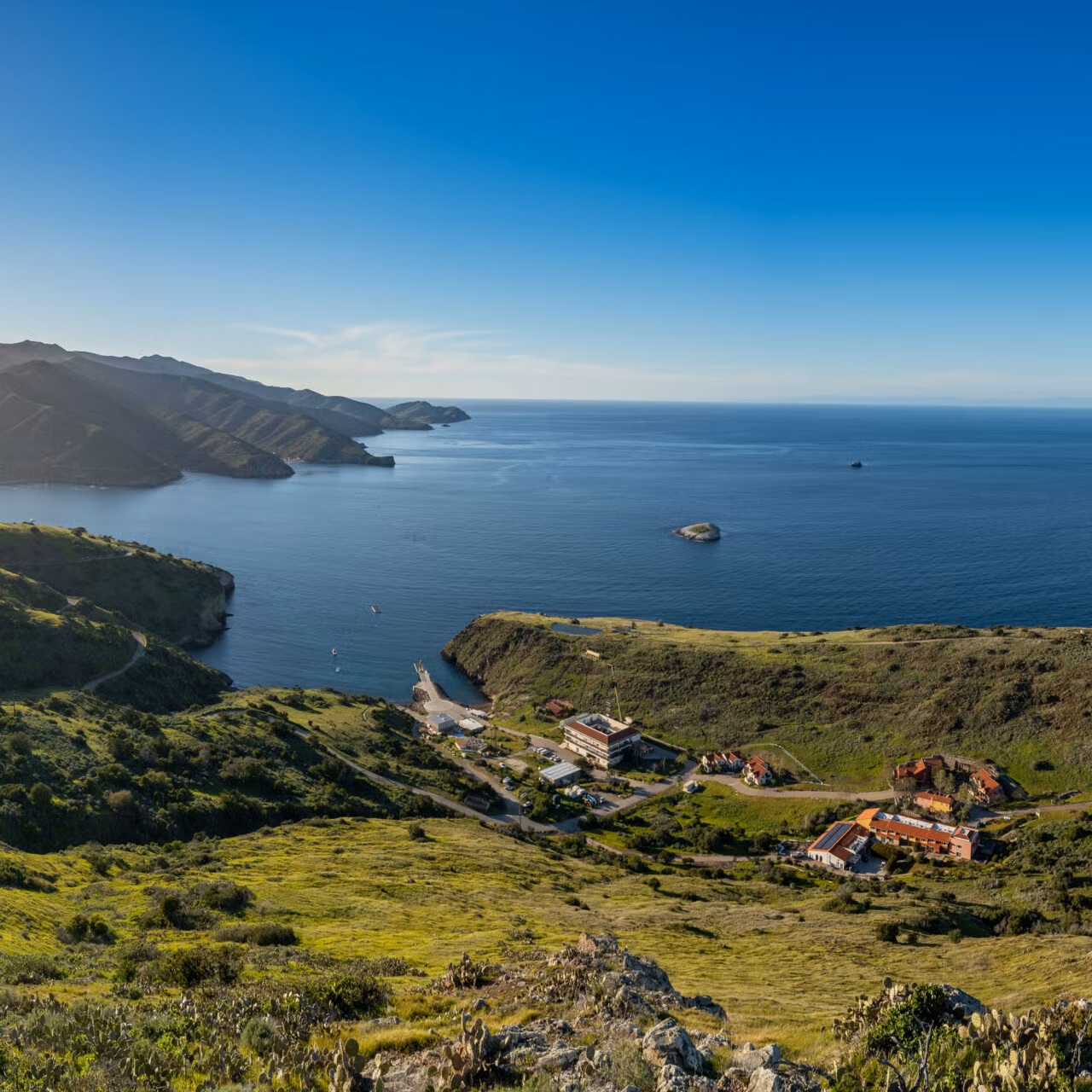
Fellows will gather July 20-26 on Santa Catalina Island, California, for workshops, guided activities and collaborative development sessions focused on science communication and storytelling.
The Human Side of Environmental Science
For Kinsman-Costello, the opportunity builds on years of exploring more creative ways to communicate environmental science. She has become increasingly involved in poetry through Kent State's Wick Poetry Center, where she has helped lead workshops and support planning for the upcoming conference this fall.
"I want people to feel empowered, hopeful and joyful and this is all rooted in curiosity," Kinsman-Costello said. "There's so much environmental storytelling that makes me feel scared and sad. Stories that capture your curiosity first, that are focused on processes and people rather than threats is a different kind of entry point."
She also hopes to highlight the deeply collaborative nature of scientific research.
"It's never just one person who's actually doing the work that makes an impact," Kinsman-Costello said. "It's teams of scientists, agency partners, land conservancies, community members 鈥� all of these different kinds of collaboration. That's the real story of how science gets done and it rarely gets told."

From Photojournalism to Geography
For Devadoss, storytelling has long been woven into both her academic and creative background.
Devadoss earned both her bachelor's degree in visual journalism and her master's degree in geography from Kent State before going on to complete a doctorate at West Virginia University. She credits Kent State faculty, particularly Barbara Hipsman Springer, emerita associate professor of journalism, and Geography Professor David Kaplan, Ph.D., with helping shape her academic path and research direction.
Before pursuing geography full time, Devadoss worked professionally as a photographer, photographing weddings, portraits and landscapes across the country. Over time, she began thinking more deeply about the stories behind those images and the broader environmental and social issues connected to them.
"I always had this storytelling kind of ingrained in me from my experience in journalism at Kent State," Devadoss said.
Centering Communities Often Left Out of the Conversation
Today, her research focuses on identity, environmental issues and the experiences of racialized and underrepresented communities in rural areas, particularly throughout the Rust Belt and Northeast Ohio where she grew up. Her current work examines how communities experience and respond to environmental change and climate-related challenges.
"When you hear a lot of national coverage about rural places, it misses a lot of nuances of these areas," Devadoss said.
She hopes the Storymakers fellowship will help her further develop public-facing storytelling projects that bring greater visibility to communities and environmental issues that are often overlooked.
"People talk so much about rural areas and how they're neglected,鈥� Devadoss said. "Part of addressing the issues that rural places face is talking to people that you're also ignoring in those places."
The fellowship also arrives at a meaningful moment in her career. Devadoss said she has spent years developing projects aimed at translating research into accessible public storytelling and community resources.
"This is a really exciting opportunity to really work on that," Devadoss said. "I'm excited to work with other researchers and experts."
Creating Stories That Inspire Hope
Although Kinsman-Costello and Devadoss approach environmental storytelling from different disciplines and research areas, both researchers said they are drawn to the same larger goal: helping people connect more personally and hopefully to environmental issues and the communities working to address them.
"I think people need to feel hopeful and know that there are a lot of people that care about the future of our world," Devadoss said. "There are so many people doing such amazing work."
# # #